
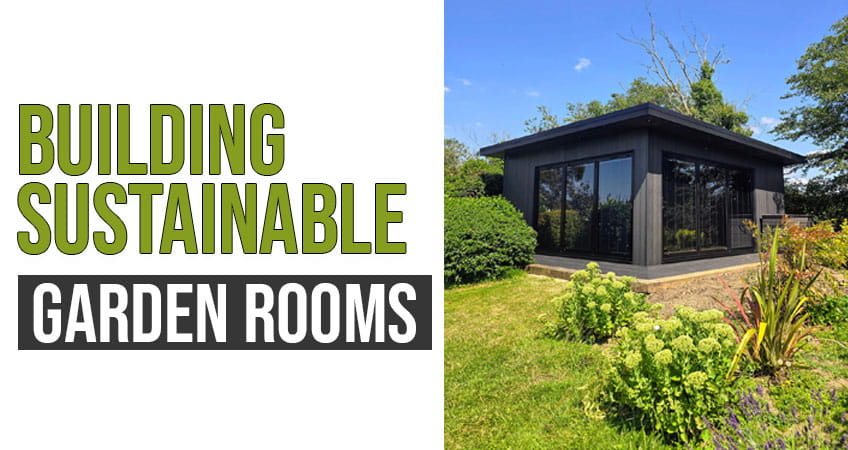

Let’s be honest: we’ve all had that moment. You’re trying to host a professional Zoom meeting at the kitchen table, the dog is barking at a pigeon, the washing machine is on its spin cycle, and you find yourself dreaming of a quiet sanctuary at the bottom of the garden.
The popularity of garden rooms has exploded recently. Whether it’s for a home office, a gym, or just a place to hide from the kids (we won’t tell), everyone wants a slice of the “shoffice” life. But as we look to expand our living space, we have to ask ourselves a serious question: what is this doing to the planet?
Adding a new structure to your property inevitably leaves a footprint. However, it doesn’t have to be a stomp. With the right choices, sustainable garden rooms are entirely possible. At Garden Rooms 365, we believe you can have your cake and eat it too—or rather, have a stunning garden room in your own garden and keep your eco-conscience clean.
What is the environmental impact of garden rooms?
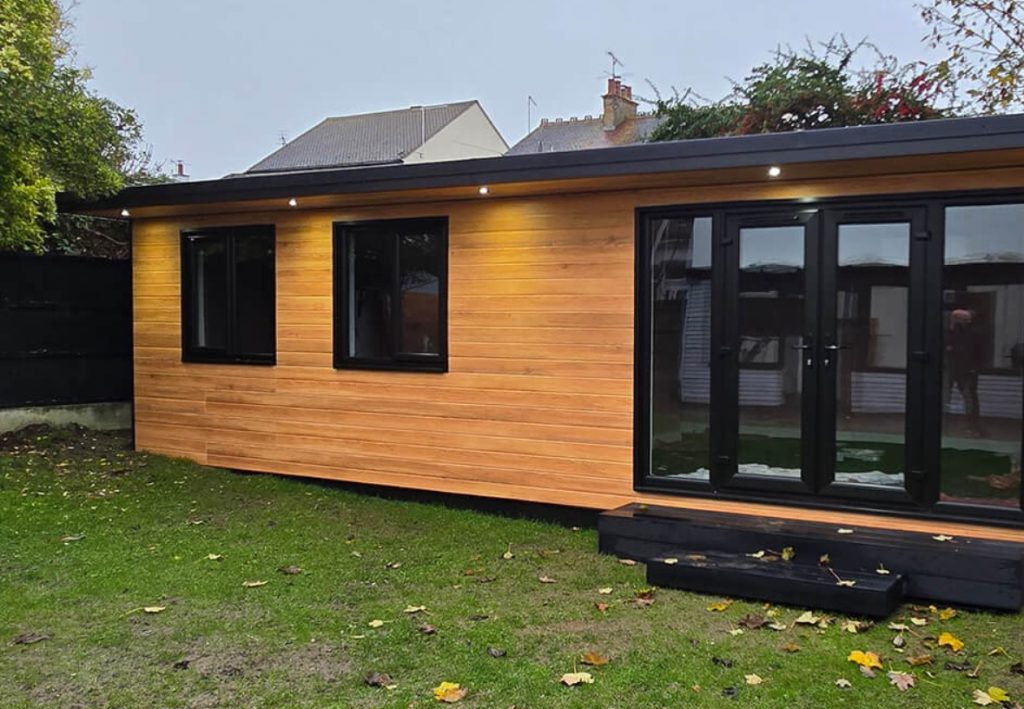
Before we start hugging trees (which is great, by the way), we need to understand the nuts and bolts of the problem. Construction is a resource-heavy industry. When you plonk a new building in your garden, the environmental impact comes from three main areas.
The heavy cost of materials
This is often referred to as “embodied carbon.” It’s the energy required to extract, process, manufacture, and transport the materials to your door. Concrete, for example, is fantastic for strength but has a notoriously high carbon footprint. Steel is similar. If your garden room is built entirely from energy-intensive materials shipped halfway across the world, its carbon backpack is going to be heavy before you even switch a light on.
Construction and transport
It’s not just the wood and nails; it’s how they get there. A convoy of vans driving back and forth, waste materials heading to landfill, and the energy used by power tools all add up. This is why green building practices focus heavily on efficiency and logistics.
Operational energy consumption
This is the big one for the long haul. If you build a glorified shed with paper-thin walls, you are going to spend a fortune heating it in December and cooling it in July. A poorly insulated garden room bleeds energy (and money). The environmental impact continues every single day the building is in use.
How to build a sustainable garden room in your outdoor space: tips and best practices
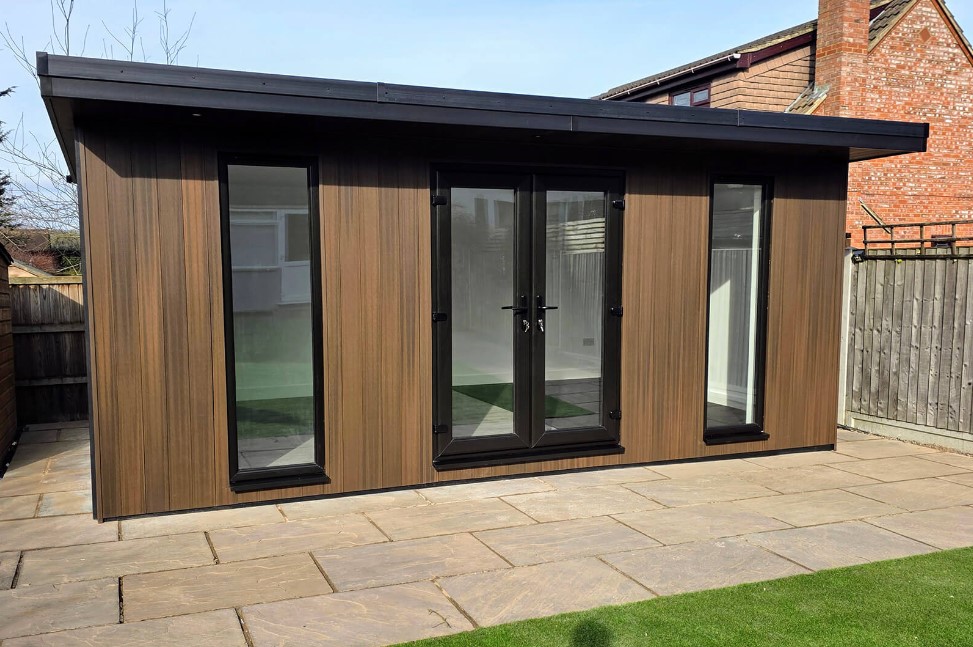
The good news? It doesn’t have to be this way. You can create a beautiful, functional space that respects the environment. Here is how to approach eco-friendly garden design.
1. Choose your materials wisely
Wood is generally the superhero of sustainable construction. Trees absorb carbon while they grow, and locking that carbon into a building structure is a great way to store it. However, not all timber is created equal.
- Look for certification: Ensure timber is FSC or PEFC certified, meaning it comes from sustainably managed forests.
- Recycled options: Composite cladding often uses recycled plastics and wood fibres, saving waste from landfill while offering a durable finish.
2. Insulation is everything in an eco friendly garden room
If you only take one thing away from this blog, let it be this: insulate, insulate, insulate. High-quality insulation (in the floor, walls, and roof) ensures your room stays warm in winter and cool in summer with minimal energy input. This drastically reduces the building’s operational carbon footprint over its lifetime.
3. Minimise waste
Precision is key. Prefabricated elements or modular designs often generate less waste than cutting everything on-site in the mud. At Garden Rooms 365, our experienced “in-house” team manages materials carefully to ensure that what we buy ends up on your building, not in a skip.
4. Promote biodiversity
You are taking up a patch of grass, so why not give something back to nature?
- Green roofs: Sedum roofs look incredible and provide a habitat for bees and insects.
- Minimal foundations: using pile foundations (ground screws) rather than a massive concrete slab disrupts the soil ecosystem far less and allows water to drain naturally.
- Garden plants: Incorporating native plants and shrubs around your building can enhance local biodiversity, attract pollinators, and provide natural beauty throughout the year. Choose a variety of plants to ensure a thriving habitat for birds, bees, and butterflies.
- Green rooms: Transform indoor spaces by adding vertical plant walls or “living walls.” These installations not only improve air quality but also create a calming, natural ambiance ideal for relaxation or focus.
Sustainable measures at Garden Rooms 365
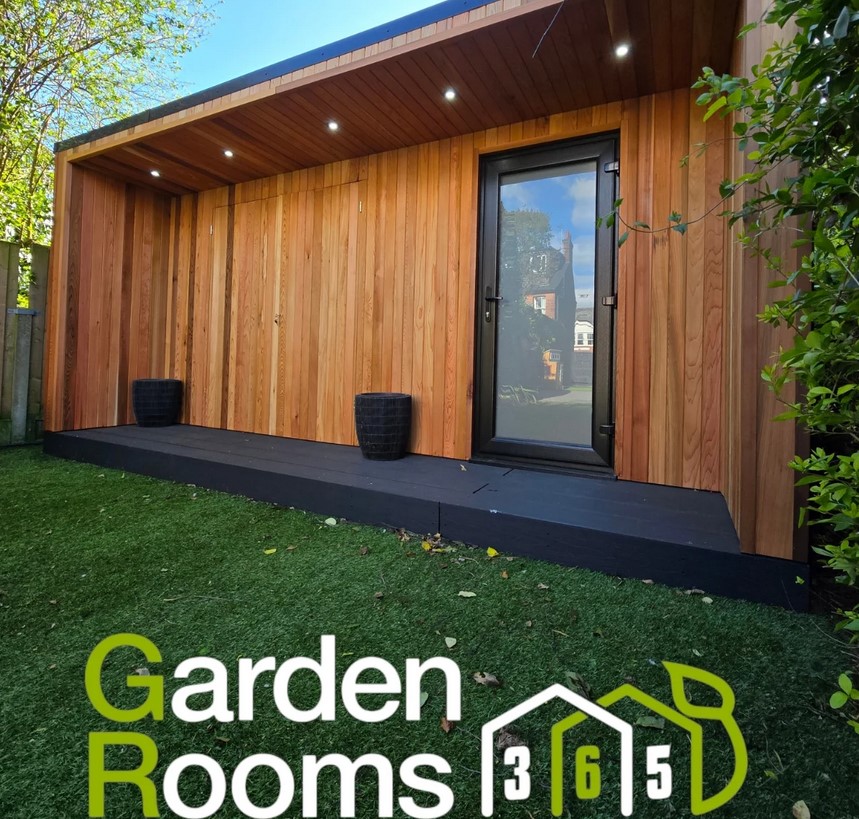
We don’t just talk the talk; we walk the walk (in muddy boots, usually). At Garden Rooms 365, we prioritise environmental responsibility because we live here too. Our goal is to have zero adverse effects on the environment during our builds.
Committed to low carbon footprints
We carefully consider our impact at every development stage. Because our services are carried out “in-house” without relying on a carousel of outsourced subcontractors, we maintain strict control over our waste management and travel efficiency across Essex and the surrounding areas.
Materials that last
We build structures designed to stand the test of time. A garden room that rots in ten years is not sustainable, no matter how green the materials were. We use structural timber and high-grade insulation to ensure thermal efficiency that meets, and often exceeds, building regulations.
Powering the future: solar and heat pumps
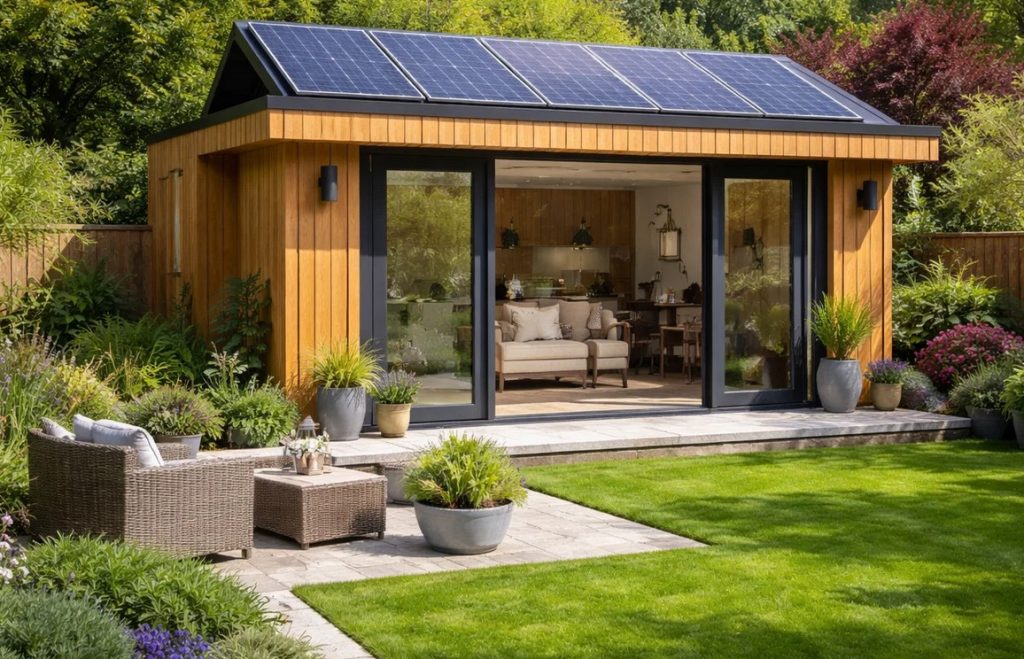
For the ultimate sustainable garden room, we offer the integration of renewable technology.
- Solar Panels: Why pay for electricity when the sun offers it for free? We can install solar panels on your garden room roof to power your lights and laptop.
- Air Source Heat Pumps: These are incredibly efficient, extracting heat from the air outside (even when it’s cold) to warm your room. They are far greener than standard electric heaters.
As we always say, fully functional garden rooms are the perfect solution for making the most of unused outdoor space without the need for planning permission—and without costing the Earth.
Frequently asked questions (FAQ)
Are garden rooms construction projects that require planning permission?
Garden Rooms 365 can assist with planning permission where necessary, but in most garden room builds, this is unlikely to be required as most outbuildings are within permitted developments. This means less red tape and a faster route to your eco-friendly sanctuary. Read our blog.
Are garden rooms usable all year round?
Absolutely. A garden room isn’t just for the summertime, it is for 365 days of the year! Because we focus heavily on insulation and high-quality double glazing (or bi-fold doors), our rooms are cosy in the snow and airy in the heatwave.
Conclusion
Building an extra room doesn’t have to mean compromising your environmental values. By choosing sustainable materials, focusing on energy efficiency, and working with a company that cares about its footprint, you can create a space that enhances your life and respects the planet.
Get started on your perfect garden room today!
Whether you need a new home office, a gym, or a yoga studio, making green building practices a priority ensures your investment is future-proof.
Ready to expand your home the sustainable way? Contact Garden Rooms 365 today to explore our range and start planning your bespoke, eco-friendly garden room.


